The Ingredient Library
Mentha Arvensis
Mentha arvensis
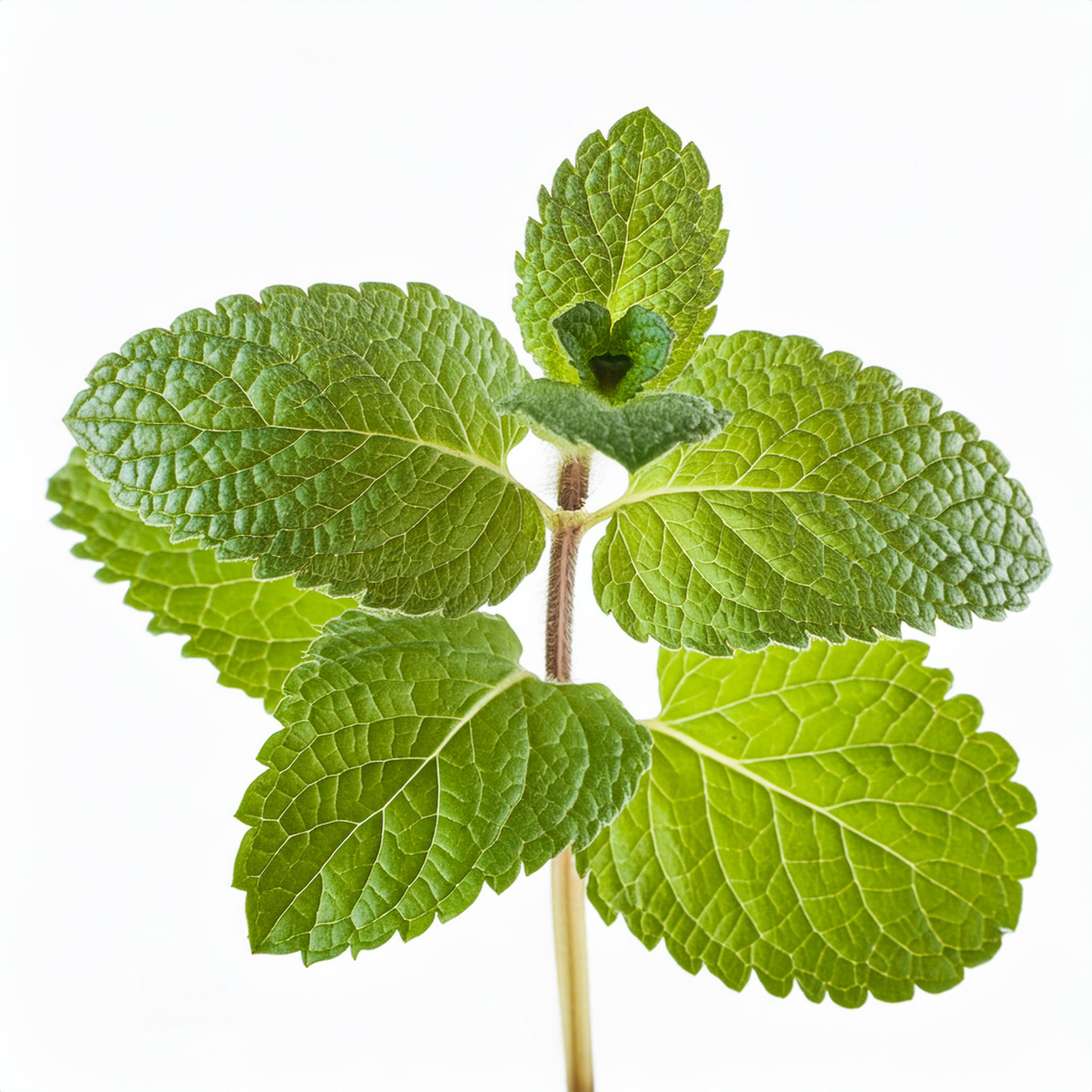
Cornmint essential oil is steam-distilled from Mentha arvensis, a mint grown in huge acreages in Uttar Pradesh, India, and the world's main natural source of menthol.
Get to know cornmint essential oil
- Source
- Leaf and stem
- Origin
- India
- Extraction
- Steam-distilled
- Aroma
- Sharp, cool, minty
What it is
Mentha Arvensis is an aromatic essential oil distilled from the plant.
Why it belongs in your routine
Strong, cooling cornmint oil, steam-distilled from Indian-grown mint.
How to use
Always dilute in a carrier oil before it touches skin. Never use undiluted. Patch test first.
Where does cornmint essential oil come from?
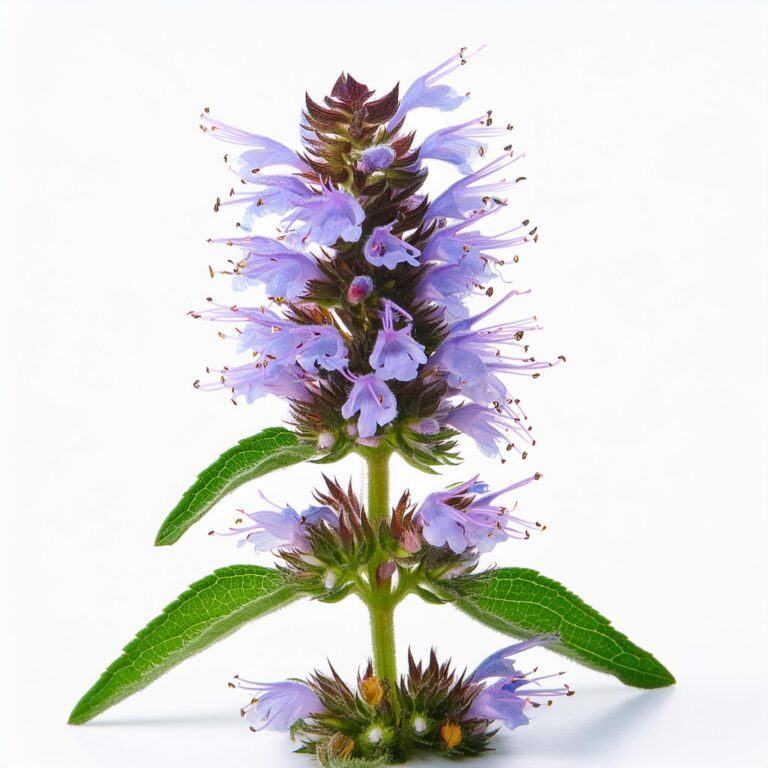
Mentha arvensis, known as cornmint, field mint or Japanese mint, is a hardy perennial herb that grows 30 to 60 cm tall, with square stems, toothed leaves and small lilac flowers where the leaves meet the stem. It grows wild across much of the northern hemisphere, but the cultivated menthol-rich form is farmed mainly in India, especially in Uttar Pradesh, which dominates world production.
Cornmint oil is clear to pale yellow, with a sharp, cool, minty scent that is harsher and less sweet than peppermint. It naturally contains a very high level of menthol, often 70 percent or more, which gives the cooling feel. Much of the menthol is crystallised out for industry, and the remaining oil is used in foot creams, soaps, shampoos and body sprays.
Sourcing & extraction
How cornmint essential oil is sourced and extracted
Why it is rare
Cornmint is widely grown, so this is a volume crop, but the fields are planted and cut within a single season, and prices move sharply with each year's monsoon and harvest.
How it is gathered
In Uttar Pradesh, farmers plant cornmint runners in the fields between January and February, often after the winter crop, and cut it from around May to June. Many small growers distil the herb themselves in simple on-farm stills or use shared village units, and then sell the crude oil on to traders and processors who refine it or separate the menthol.
How it is made
Steam-distilled from the herb
- The mint is cut close to the ground when the leaves are fully grown, and is often wilted for a few hours.
- The herb is packed into a still, frequently a simple on-farm unit, and steam is passed through it.
- The steam carries the volatile oil out of the leaves, and the vapour is condensed back into liquid.
- The oil is separated from the water and may be chilled to remove some menthol crystals before sale.
How to use cornmint essential oil
- Add a few drops to a diffuser for its aroma.
- For skin, dilute 1 to 2 drops in a teaspoon of carrier oil before applying.
- Keep away from eyes and never use undiluted on skin.
For external use only. Patch test on a small area before first use and stop if irritation occurs. If you are pregnant, nursing or have a medical condition, ask a healthcare professional before use.
From ingredient to routine
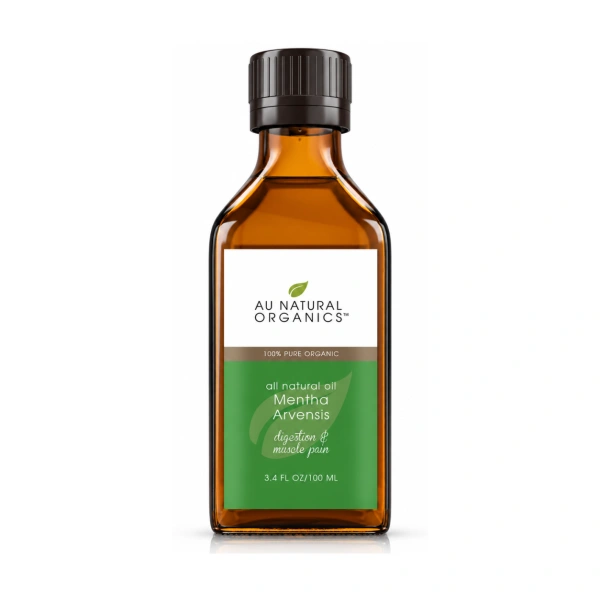
Products with Mentha Arvensis
Find this ingredient in our collection.
Questions about Mentha Arvensis
Where does Mentha Arvensis come from?
In Uttar Pradesh, farmers plant cornmint runners in the fields between January and February, often after the winter crop, and cut it from around May to June. Many small growers distil the herb themselves in simple on-farm stills or use shared village units, and then sell the crude oil on to traders and processors who refine it or separate the menthol.
How is Mentha Arvensis extracted?
Steam-distilled from the herb. The mint is cut close to the ground when the leaves are fully grown, and is often wilted for a few hours. The herb is packed into a still, frequently a simple on-farm unit, and steam is passed through it. The steam carries the volatile oil out of the leaves, and the vapour is condensed back into liquid. The oil is separated from the water and may be chilled to remove some menthol crystals before sale.
Why is Mentha Arvensis considered rare?
Cornmint is widely grown, so this is a volume crop, but the fields are planted and cut within a single season, and prices move sharply with each year's monsoon and harvest.