

Tea tree essential oil is distilled from Melaleuca alternifolia. Its distinctive aroma and use in topical products make it a familiar botanical ingredient. Familiarity does not make concentrated oil a universal remedy or an appropriate product for every member of the family.
What the evidence can support
NCCIH’s tea tree oil resource describes limited evidence for certain topical applications and the need for further research. Findings from a studied formulation do not establish that neat essential oil or a homemade blend produces the same result.
The previous article promised broad healing, stronger hair and protection from airborne viruses. Those claims were not supported by relevant evidence for the recommended uses and have been removed.
Diffusing is a fragrance choice
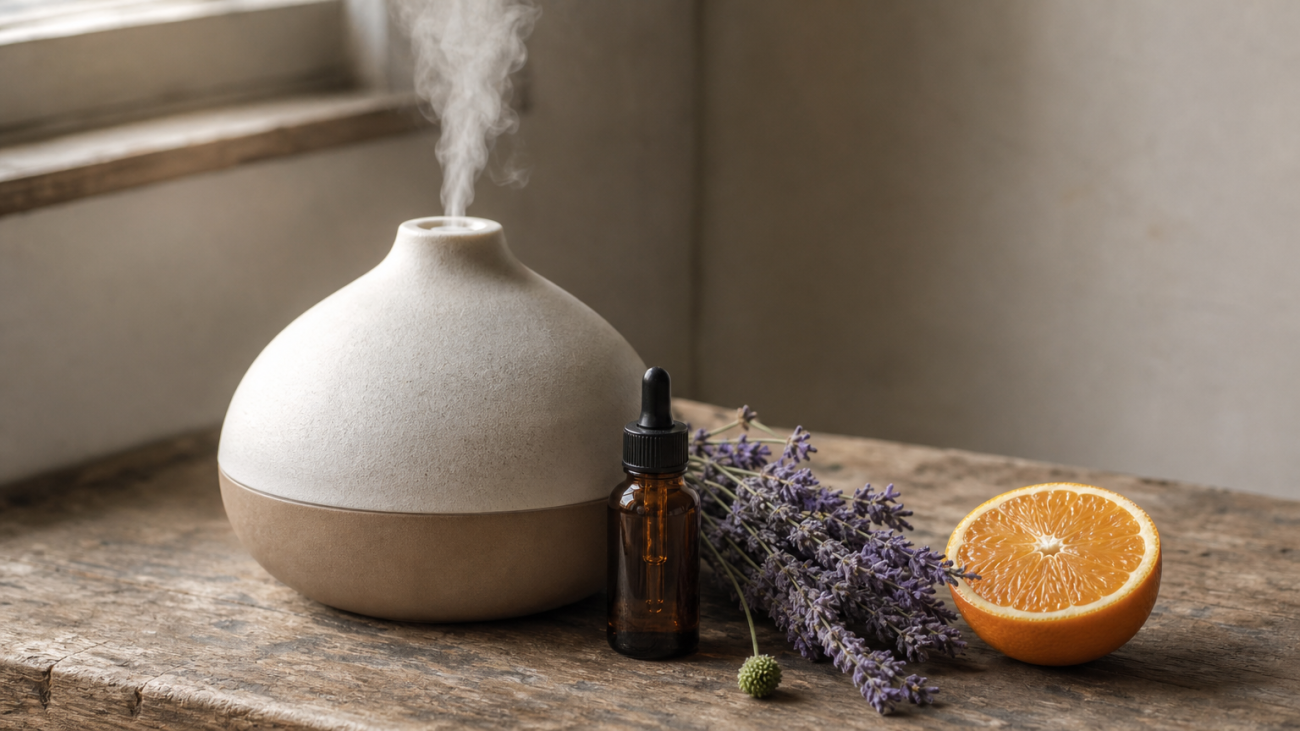
Adding tea tree oil to a diffuser should not be presented as a way to purify the air, prevent infection or protect a household through winter. A pleasant or strong scent is not a measure of disinfection.
If using a diffuser, check the device and oil instructions for suitability, ventilate the room and stop if anyone develops symptoms. Do not assume a particular drop count is suitable for every room or household. Read the diffuser selection and safety guide before use.
Choose the exact product carefully
Consult the Tea Tree ingredient entry and the product label. Check the botanical, composition, lot information, intended route of use and directions. “Lemon tea tree” refers to a different ingredient; its name is not a reason to substitute it into a routine designed for Melaleuca alternifolia.
Do not swallow tea tree oil. It can cause serious harm when ingested. Topical products can also cause irritation, and natural or organic wording does not guarantee tolerance.
Keep cosmetic use separate from medical care
For skin or scalp symptoms, choose care based on the diagnosis rather than a general claim of antibacterial activity. Do not use concentrated essential oil on wounds, near the eyes or as a replacement for prescribed treatment. Follow assessed product directions instead of adding an unspecified number of drops to skincare.
Store the bottle as directed, away from children and pets. Compare labeled ingredients in the Ingredient Library, and ask the supplier when the intended use or safety information is unclear.
Updated 12 October 2026. This editorial refresh was prepared with AI assistance and checked against the sources linked in this article. It has not been clinically reviewed.


Leave a comment
You must be logged in to post a comment.