

Creating homemade eucalyptus essential oil soap is a rewarding and therapeutic activity that allows you to craft a natural and luxurious product tailored to your preferences. At Au Natural Organics, we specialize in premium-quality natural and organic ingredients, ensuring your soap-making experience is as enriching as the soap itself. In this guide, we’ll explore the step-by-step process of making eucalyptus essential oil soap, delve into its benefits, and offer insights on customization and storage. By the end, you’ll not only have the know-how to create your soap but also an understanding of why Au Natural Organics is your go-to source for ingredients.
What is Essential Oil Soap?
Essential oil soap is a handcrafted soap infused with plant-derived essential oils. These oils are celebrated for their therapeutic properties, offering benefits such as relaxation, skin nourishment, and a pleasing aroma. Unlike commercial soaps filled with synthetic chemicals, essential oil soaps are made with natural ingredients that cleanse and rejuvenate the skin without harmful side effects. Using an essential oil soap calculator helps ensure the right balance of oils for a gentle and effective soap bar.
Why Eucalyptus Essential Oil?
Eucalyptus essential oil is renowned for its invigorating scent and myriad benefits. Extracted from eucalyptus leaves, this oil boasts antibacterial, anti-inflammatory, and decongestant properties. When incorporated into soap, it provides a refreshing and cleansing experience. Its natural ability to soothe the skin and promote relaxation makes it a popular choice for those seeking a holistic skincare product.
Tools & Ingredients You’ll Need
Before diving into the soap-making process, gather the necessary tools and ingredients:
Tools: Safety goggles and gloves, Stainless steel or heat-resistant plastic bowls, Digital kitchen scale, Immersion blender, Soap molds, Thermometer, Spatula and mixing utensils
Ingredients:
- Eucalyptus Essential Oil (high-quality, from Au Natural Organics) – for a fresh, clean scent
- Bulk Batana Oil – packed with nutrients, perfect for nourishing your hair and skin.
- Olive Oil – softens and hydrates
- Coconut Oil – keeps skin soft and helps make more bubbles.
- Shea Butter – deeply moisturizing and soothing
- Lye (Sodium Hydroxide) – needed to turn oils into soap
- Distilled Water – clean water for mixing with lye
- Optional Dried Botanicals – like herbs or flowers for a natural touch
Step-by-Step Guide to Making Homemade Eucalyptus Essential Oil Soap
Create your own refreshing and nourishing eucalyptus essential oil soap at home with this easy, step-by-step guide. From preparing your workspace and mixing natural oils like Bulk Batana Oil, olive oil, and shea butter, to carefully blending with lye and adding pure eucalyptus essential oil—this guide walks you through each stage of the soap-making process. Add natural herbs like lavender or rosemary to boost the benefits. Once molded and cured, you’ll have eco-friendly, skin-loving soap bars made from nature’s finest ingredients, just like we craft at Au Natural Organics.
Step 1: Prepare Your Space and Stay Safe
Start by choosing a clean, clutter-free area with good airflow—ventilation is important when working with lye. Wear protective gear like safety goggles, gloves, and long sleeves to shield your skin and eyes. Lye is a strong chemical that can burn on contact, so handle it carefully. Always have a small bowl of vinegar nearby; it helps neutralize lye if there’s a spill. Keep kids and pets away from your work area so nothing gets broken and no one gets hurt. Set out all your tools and ingredients in advance, and make sure your containers are lye-safe (like stainless steel or heat-resistant plastic). A safe, organized space helps your soap-making process go smoothly from the very beginning.
Step 2: Measure and Mix Oils
Accurate measurements are key to a successful soap batch. Using a digital scale, carefully weigh each oil—Bulk Batana Oil, olive oil, coconut oil, and shea butter. After you measure the oils, pour them into a stainless steel bowl or a plastic one that can handle heat. Slowly warm the mixture over low heat using a double boiler or microwave in short bursts. Stir gently until the oils are completely melted and combined into a smooth, uniform blend. Avoid overheating, as high temperatures can damage the nourishing properties of the oils. Once fully melted, set the oil mixture aside to cool slightly while you prepare the lye solution. This step ensures a rich, moisturizing base for your eucalyptus essential oil soap.
Step 3: Prepare the Lye Solution
Always handle lye with care. Wear gloves and safety glasses, and make sure you’re in a space with good airflow. Carefully pour the lye into the distilled water—never pour water into lye, because it can react badly and cause splashing or heat. Stir the mixture gently with a heat-safe spoon or spatula until the lye is completely dissolved. The solution will heat up quickly, so let it sit undisturbed until it cools to between 100°F and 120°F. This temperature is important to safely mix the solution with oils later. Make sure to keep pets and kids away from your workspace, and never leave the mixture alone while you’re working. Use a thermometer to monitor the temperature. Preparing the lye solution carefully helps ensure your soap sets correctly and is safe to use.
Step 4: Blend Oils and Lye
When your lye water and oils are nearly the same temperature (around 100–110°F), slowly add the lye water to the oils. Always add lye to oil—never the other way around—for safety. Using an immersion blender, begin mixing in short bursts. Blend and stir until the mixture thickens to a “trace,” which looks like pudding and holds a light trail on the surface when drizzled. Reaching trace means the oils and lye have emulsified properly and your soap is ready for the next step. Be patient—this process can take a few minutes depending on your ingredients. Work in a well-ventilated space and wear gloves and goggles throughout this step to protect yourself from splashes.
Step 5: Add Eucalyptus Essential Oil and Optional Botanicals
Once your soap mixture has cooled slightly but is still pourable, it’s time to add the eucalyptus essential oil. This refreshing oil not only gives your soap a crisp, clean scent but also offers soothing and antibacterial properties. Use around 15–20 drops of essential oil for every pound of soap base to get a rich, natural scent. If you like, stir in dried botanicals like lavender buds, rosemary leaves, or calendula petals. These not only enhance the soap’s visual appeal but can also provide extra skin-loving benefits and gentle exfoliation. Mix everything thoroughly to ensure even distribution before pouring into molds. This step brings both beauty and therapeutic value to your homemade soap.
Step 6: Pour Into Mold and Let It Set
Gently pour the soap mixture into your molds while it’s still in liquid form. Gently tap the molds on the counter to release any trapped air bubbles and create a smooth surface. Once filled, cover the molds lightly with a clean towel or cloth to keep dust away and help the soap set evenly. Let the soap sit at room temperature for 24 to 48 hours without moving it. During this time, it will harden and become firm enough to remove. Avoid moving or disturbing the molds, as this can cause cracks or uneven textures. Once fully set, your soap is ready to be unmolded and cured.
Step 7: Cure the Soap
Once you take the soap out of the molds and cut it into bars, it’s time for the curing process to start. Place the soap in a dry, well-ventilated area, ensuring the bars are spaced apart to allow air circulation. This step is crucial for the soap to fully harden and for excess moisture to evaporate. During the 4-6 week curing period, the soap’s chemical reactions continue, enhancing its texture and making it milder on the skin. The more time the soap has to sit and cure, the firmer it gets and the longer it will last. Be patient, as this step is key to creating high-quality, gentle soap.
Customization Ideas
Making your own eucalyptus essential oil soap is easy and fun. Here are some ideas:
- Try adding a few drops of lavender or lemon essential oil for a refreshing, one-of-a-kind scent.
- Add activated charcoal or turmeric to your skin care regimen for enhanced benefits.
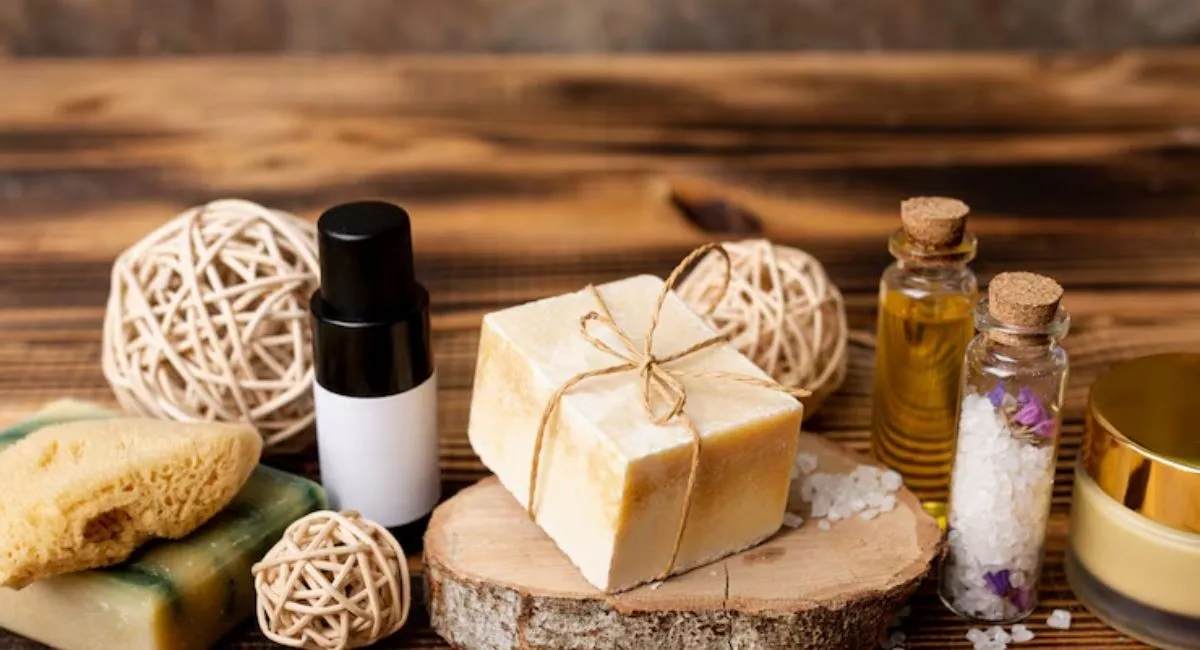
- Use decorative molds to create visually appealing soap bars.
- Experiment with other botanicals like chamomile or calendula for added skincare benefits.
Benefits of Using Homemade Essential Oil Soap
Homemade essential oil soap offers numerous advantages:
- Natural Ingredients: Homemade essential oil soaps are made with simple, natural ingredients like plant oils, herbs, and flowers. These nourishing elements provide a gentle yet effective cleanse, supporting healthy skin without the harsh chemicals found in store-bought soaps. The natural oils also retain their skin-loving properties, leaving your skin soft and hydrated.
- Customizable: Homemade essential oil soaps allow you to choose ingredients that cater to your unique skin type and personal preferences. Whether you need extra hydration, soothing properties, or a refreshing scent, you can customize your soap to meet specific skin needs, offering a truly personalized and natural skincare experience.
- Eco-Friendly: Homemade essential oil soap reduces packaging waste and promotes sustainability by using natural ingredients and minimal, recyclable packaging. This eco-conscious choice helps reduce the environmental impact associated with mass-produced soaps, making it a great option for those who want to protect both their skin and the planet.
- Therapeutic Properties: Essential oils like eucalyptus offer more than just a pleasant aroma—they bring therapeutic benefits too. These oils can help soothe irritated skin, reduce inflammation, and promote relaxation. With their natural healing properties, they contribute to a calming and rejuvenating experience, making homemade essential oil soap perfect for both skin and mind.
Why Choose Au Natural Organics for Your Ingredients?
At Au Natural Organics, we pride ourselves on offering the finest natural and sustainable ingredients for your soap-making needs. Our wild-crafted, organic materials are carefully sourced to ensure the highest quality and purity, supporting both your creativity and eco-conscious values. From nourishing Batana Oil to refreshing Eucalyptus Essential Oil, our range is designed to enhance your handmade creations while promoting environmental responsibility. Whether you’re a beginner or an experienced soap maker, Au Natural Organics is here to provide you with the best ingredients to elevate your craft. Discover the difference of truly natural products and join us in supporting a greener, more sustainable future.
Simple Tips for Storing and Using Your Homemade Soap
- To make your homemade soap last longer, keep it in a cool, dry spot, out of direct sunlight. Keeping it in a well-ventilated spot ensures it dries completely between uses, preventing mushiness. Proper storage helps preserve its fragrance, texture, and effectiveness for a longer-lasting product.
- Usage: When using homemade soap, lather it gently between your hands or on a washcloth to create a rich foam. Gently rub in circles on your skin for a calming clean. Be mindful of not over-wetting the soap to extend its life, and enjoy its natural benefits with every use.
- Gifting: Homemade soap makes a wonderful, personal gift. To make it extra special, wrap your soap in eco-friendly packaging like burlap or recycled paper. Personalize it with a handwritten note. It’s a thoughtful, handmade gift that shows care and sustainability, perfect for any occasion.



Leave a comment
You must be logged in to post a comment.