Exfoliants & Scrubs

2 products

Sort by

Natural Face and Body Scrubs

Our natural face and body scrubs pair an exfoliating base with plant oils, so they lift away dry, flaky skin and leave a light layer of oil behind. Skin feels soft and smooth after rinsing.

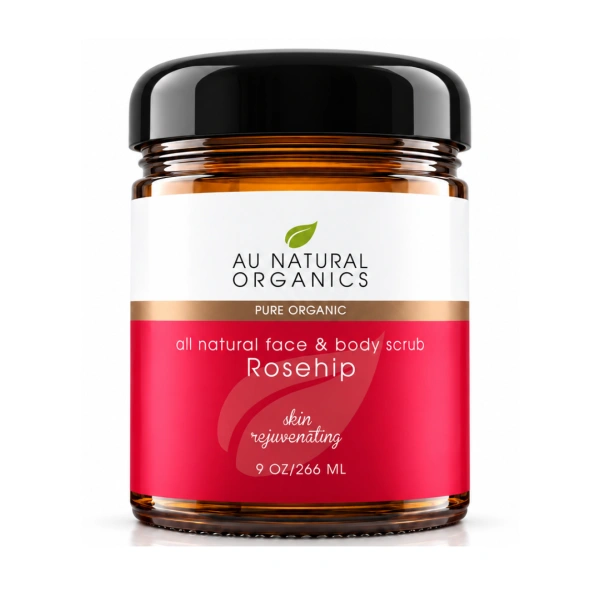
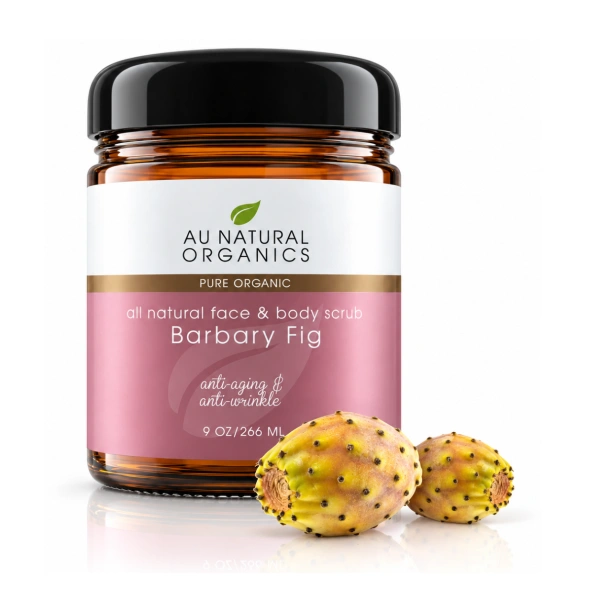
The Barbary Fig Face and Body Scrub is made with barbary fig seed oil, a light oil from the seeds of the Opuntia cactus grown in North Africa. The Rosehip Face and Body Scrub uses rosehip seed oil, pressed from the seeds of wild rose hips. Use either on damp skin once or twice a week, massaging gently in small circles before rinsing with warm water.

Follow with a few drops of a light carrier oil, or see the rest of our body care range.

How to Use a Face and Body Scrub

On the body

Scoop a small amount with a clean, dry spoon and massage it over damp skin in slow circles. Focus on rough areas such as elbows, knees and heels, then rinse with warm water. The barbary fig or rosehip oil in the scrub stays on the skin as a light, soft layer.

On the face

Use less product and much lighter pressure than on the body. Avoid the eye area and any broken or irritated skin. Once a week is enough for most faces, followed by a few drops of a light face oil if your skin feels tight.

Keep the jar clean

Water getting into the jar shortens the life of any scrub. Use a dry spoon rather than wet fingers, close the lid after each use, and store the jar away from the shower spray and direct sun.

Face and Body Scrub FAQs

Can I use the same scrub on my face and body?

Yes. Both of our scrubs are made for face and body. Use a smaller amount and gentler pressure on the face.

How often should I exfoliate?

Once or twice a week for the body and about once a week for the face suits most people.

Will the scrub leave my skin oily?

It leaves a light layer of plant oil that most people find softening rather than greasy. Pat skin dry with a towel to remove any excess.

What is barbary fig seed oil?

It is a light oil pressed from the seeds of the Opuntia cactus, also called prickly pear, grown in North Africa.

Back to Top

Search For Products

Product has been added to your cart