



Description
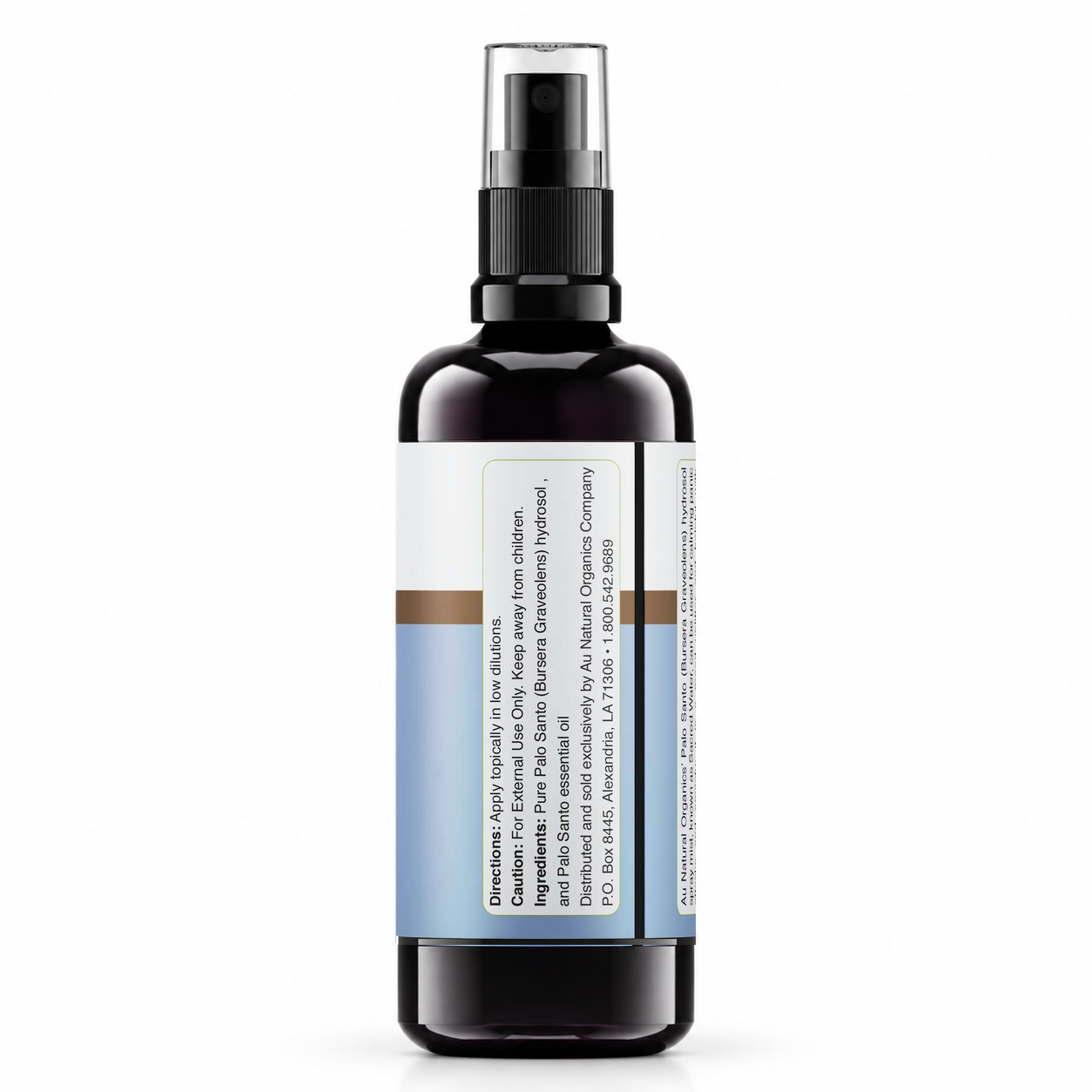
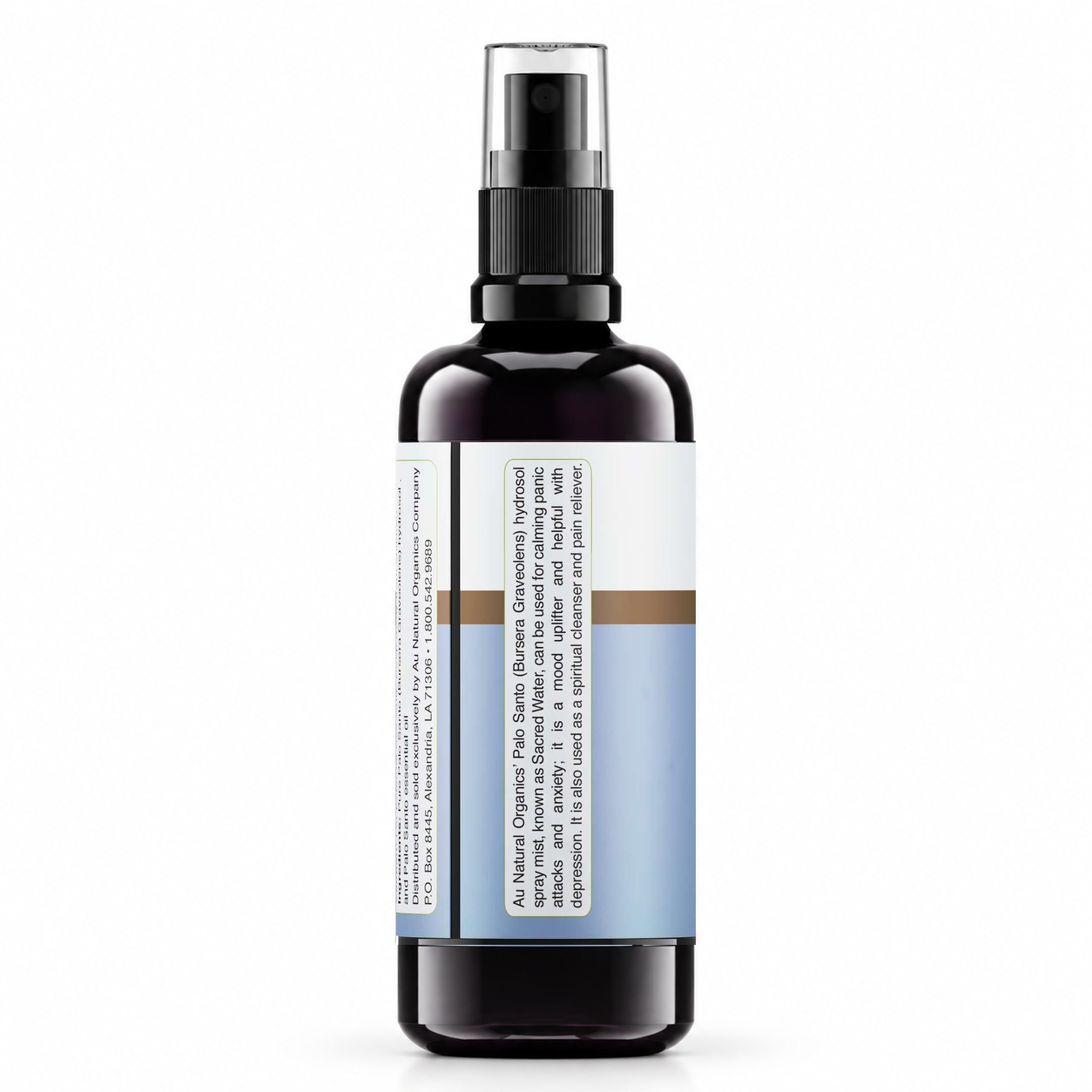
Palo santo is a small tree of the dry forests along the Pacific coast of Ecuador and Peru, related to frankincense and myrrh. Its scent only develops after a branch or trunk has died naturally and lain on the forest floor for several years, and only this fallen wood may be gathered. Rural families collect it under forestry permits and bring it to local distilleries. When the wood is steam-distilled, the water that condenses with the oil is collected as hydrosol. It carries a soft version of palo santo’s sweet, woody, citrus scent.
Details
| Botanical name | Bursera graveolens (palo santo) |
|---|---|
| Origin | Ecuador and Peru |
| Part used | Fallen, naturally dead wood |
| Extraction | Steam-distilled (aromatic water) |
| Aroma | Soft woody, citrus |
| Ingredients | Bursera graveolens wood water |
Why supply is limited: living trees may not be cut, so the supply depends on wood that has fallen naturally and aged for years.
How to use
- Face mist: spray onto clean skin before your moisturiser or face oil.
- Linen and rooms: mist over pillows, linen or the air.
- Blends: use in place of water in simple DIY creams and masks.
For external use only. Patch test before first use and keep away from the eyes. Store cool and use within 12 months of opening; keep refrigerated for a longer life.
FAQs
What is a hydrosol?
It is the fragrant water collected during steam distillation. It carries a softer scent than the essential oil and does not need diluting.
Is palo santo wood cut from living trees?
No. Only fallen, naturally dead wood may be gathered in Ecuador and Peru.
How should I store it?
Keep it cool and out of direct light. Refrigerating it keeps it fresh for longer.

Reviews